
Incident Review Points to a Health System at Breaking Point
Media Release | 19 December
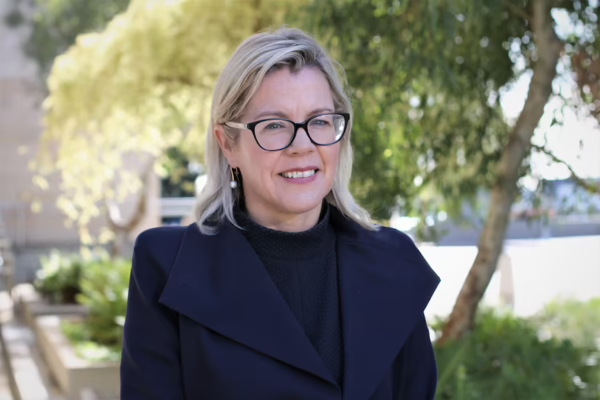
Libby Mettam
Shadow Health Minister
The tragic findings of a SAC 1 Clinical Incident Investigation into the death of a baby at King Edward Memorial Hospital have exposed yet another devastating consequence of a health system stretched beyond breaking point.
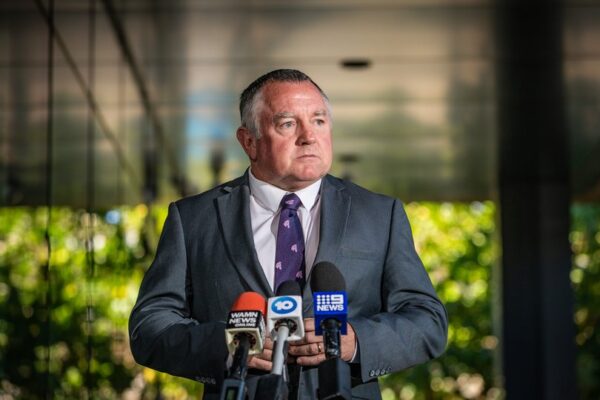
Shadow Health Minister Libby Mettam said the report into the birth and death of Alana Starkie’s son Tommy made it clear frontline clinicians were operating in an environment defined by understaffing, excessive workload, inadequate after-hours senior cover, and systemic failures that directly compromised patient safety.
The report made a number of detailed recommendations and Ms Mettam called on all eight recommendations to be implemented as a matter of urgency, in particular ensuring there was always a consultant obstetrician available at all times at a high-risk birthing hospital.
“Importantly, the investigation does not blame individual midwives or doctors. Instead, it points squarely to system and human factors driven by resource constraints, including inadequate access to senior decision-makers, insufficient clinical support, and technology that was not fit for purpose,” Ms Mettam said.
“But what we also know is that these are not isolated issues and they are the predictable outcome of almost a decade of neglect and under resourcing.
“Despite years of repeated warnings by clinicians, patient after patient coming forward with horror stories of their experiences in public hospitals and the consistent failure of our hospitals to meet basic KPIs, the Cook Government has buried its head in the sand.”
Ms Mettam said the SAC 1 investigation confirmed that on the night of the incident there was no consultant obstetrician immediately available, due to concurrent emergencies and an on-call model that left the hospital dangerously exposed.
“This is a failure of workforce planning and resourcing. It is unacceptable that in a major WA maternity service, a catastrophic obstetric emergency could unfold without guaranteed senior specialist availability,” she said.
“The report details missed opportunities for escalation, fragmented communication, gaps in monitoring and documentation, and delayed intervention — all occurring in the context of high unit activity, staffing pressure, and workload strain.
“These are matters entirely within the Government’s control.”
MEDIA CONTACT: Graham Mason | 0419 194 792


Energy
Consumers face higher costs and unreliable energy under Labor’s bungled transition
Media Release
•
Aug 28, 2025
Energy
ANOTHER WARNING FROM AEMO THAT THE WA POWER PLAN IS INADEQUATE.
Media Release
•
Jun 23, 2026
.jpg)
Attorney-General
BILL TO REDUCE TRAUMA FOR SEXUAL ASSAULT SURVIVORS
Media Release
•
Aug 20, 2026